Julie Tate-Libby
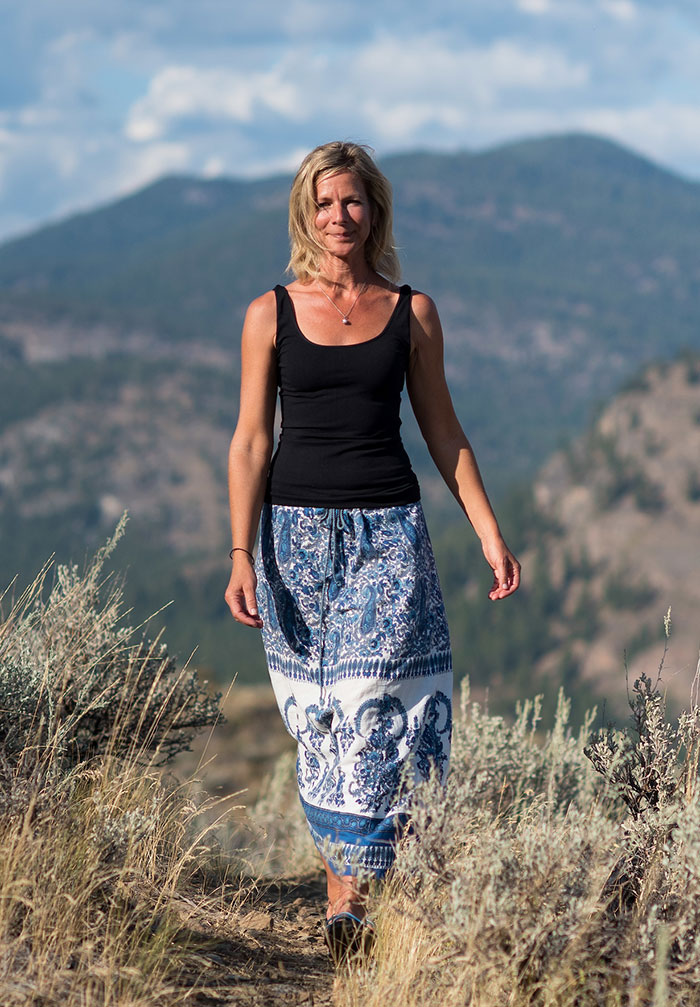
Julie Tate-Libby is an anthropologist and writer from the Pacific Northwest. Her first book The Good Way, a Himalayan Journey, (Koehler Books 2019) was a finalist for the 2020 Washington State Book Awards. Her work on amenity migration, the power of place, and sacred mountains has appeared in many academic publications and her creative work has been featured in the Cirque Literary Journal and Washington State’s Poet Laureate website. Julie is also an avid teacher, gardener and culinary enthusiast who splits her time between Washington State and Hawai’i.

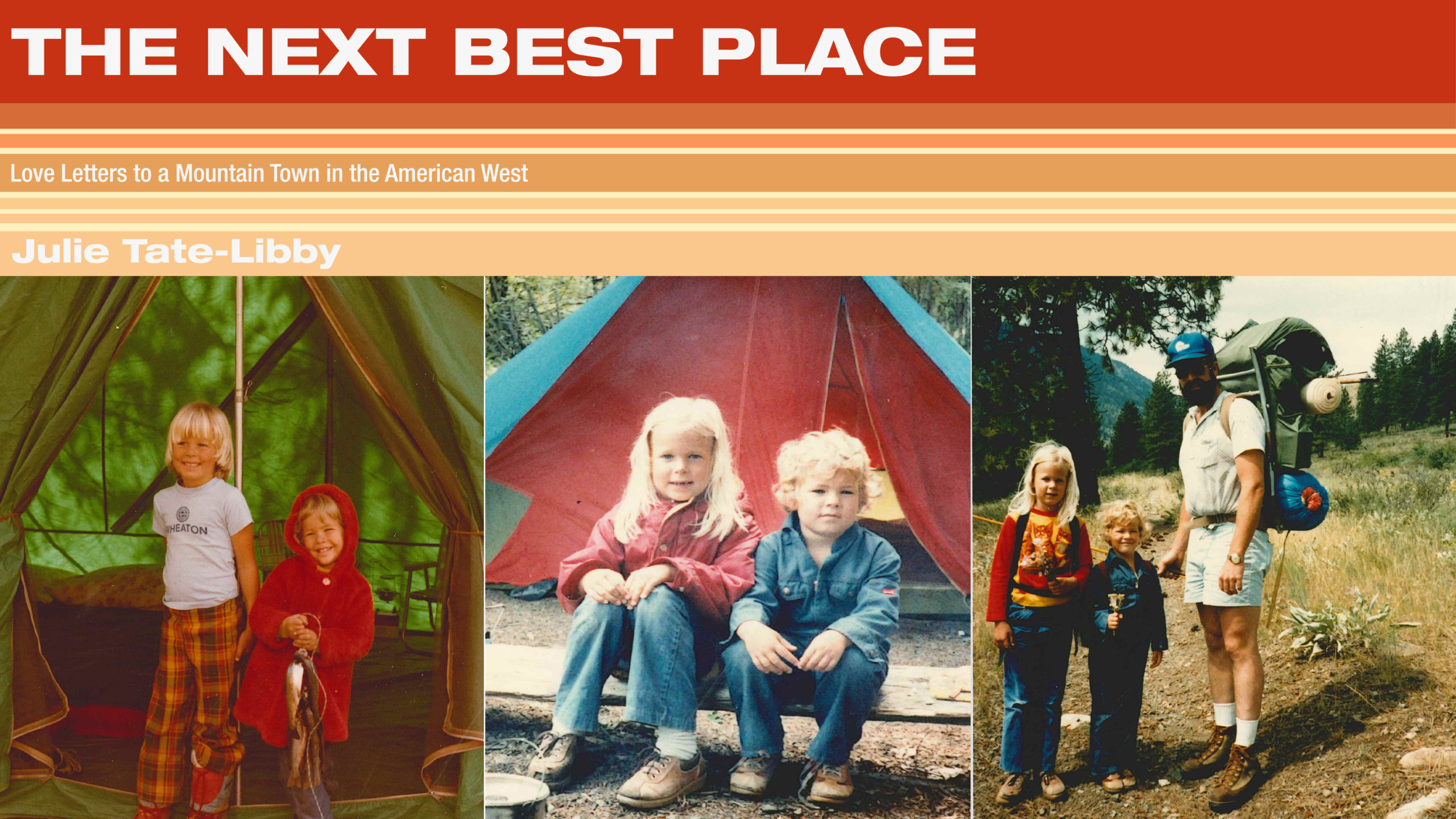
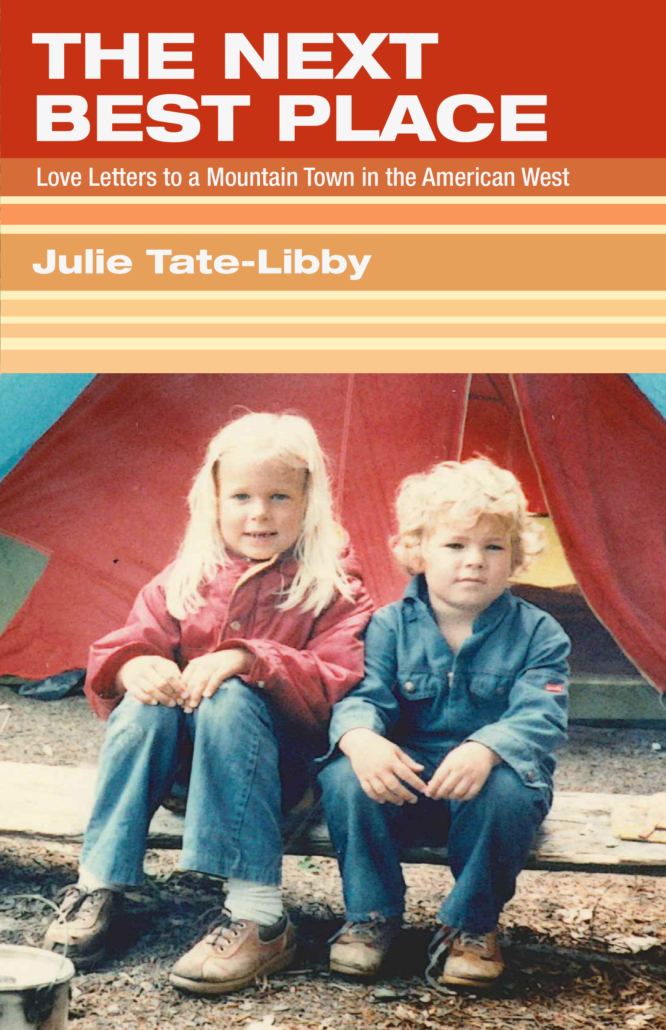
The Next Best Place
The Tate family moved to the Methow Valley in 1989, a rural, mountain valley surrounded by thousands of acres of public land. There, Julie grew up exploring, backpacking, and fishing, determined to one day own a home of her own. Throughout the next two decades, however, waves of urban migrants flocked to the Methow for its mountains and natural beauty, gas stations turned into organic food stores, Lycra-clad skiers replaced cowboys on the trails, and gritty bars turned into coffee houses and wine tasting rooms.
Drawing on her experiences in Hawaii, New Zealand, and elsewhere, anthropologist Julie Tate-Libby weaves together stories of a life lived close to nature, emerging conflicts between locals and their urban neighbors, and issues of class and otherness through a series of essays that reflect on the nature of place, belonging, and identity. Poignant, entertaining, and articulate, Julie’s essays explore what it means to belong to a community and place– and what it takes to stay.
“I think the fires have made us all kinder. When everything spirals out of control, you can be kind. You can take care of chickens, neighbors, kids. Each other. I don’t always remember to be kind, but fire season reminds me to stop. It makes me pause and slow down. Sometimes, I stand in the forest and listen. I listen to the sound of dry leaves and heat shimmering unnaturally through the trees. I love you, I say. I don’t know who I’m saying it to, but I say it anyway. I love you. I love you, world. I love you, trees. I love you.”
– The Next Best Place, Julie Tate-Libby

The Good Way
WHEN 19-YEAR-OLD ANTHROPOLOGIST Julie Tate abandons her missionary group near Mt. Everest in Nepal, she embarks on a solo trek in the Himalayas. Battling an eating disorder and an upbringing riddled with fundamentalism, Julie’s journey is a quest to understand the sacred mountains and people of the Himalaya, and a chance to rekindle her own faith. But soon she takes a wrong turn and stumbles upon a nunnery near Everest, where she contemplates becoming a Buddhist nun. Eventually she makes her way to a village in Eastern Nepal and meets a Christian man from Nagaland who happens to be looking for a wife. Told with honesty and humor, Julie’s story chronicles her struggle to grow up and find a deeper faith, even when things fall apart.
“Evocative blend of ethnography and memoir, The Good Way is a revelatory account of a young woman whose questioning of rigid religious expectations leads her to undertake an anthropological pilgrimage to remote Himalaya passes, for which she is alone and scarcely prepared, but courageous enough to venture. As insightful as it is poetic, this book will be welcomed by anyone who has dared to seek, for a variety of social science and methodology courses, and by mountain lovers everywhere.”
– James Loucky, Professor of Anthropology, Western Washington University


Gallery:
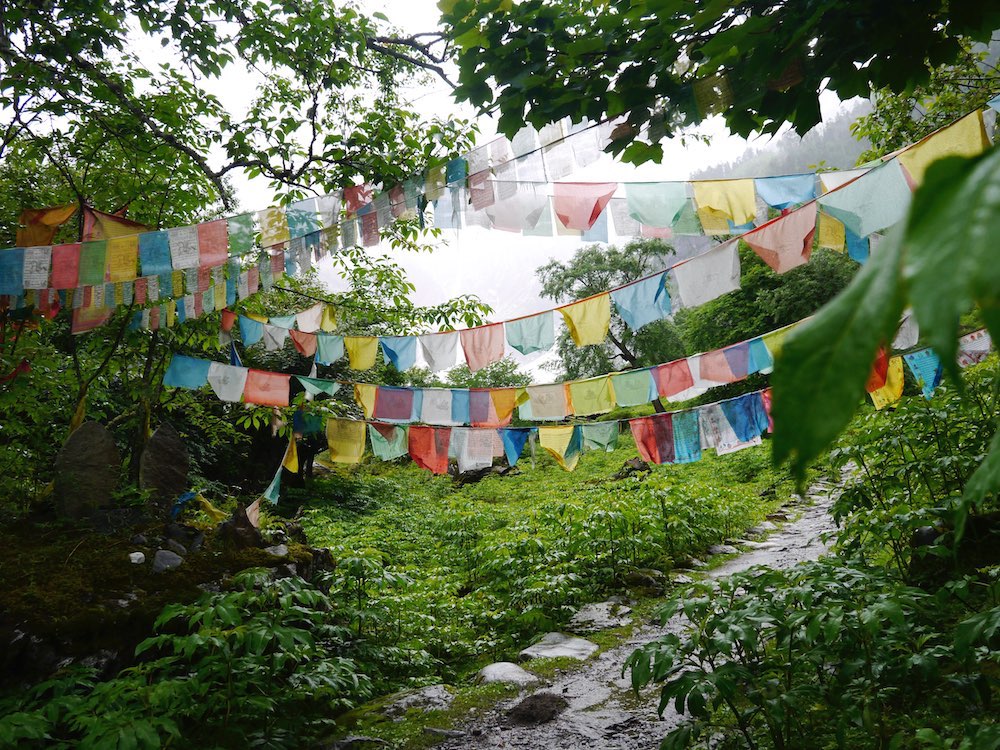
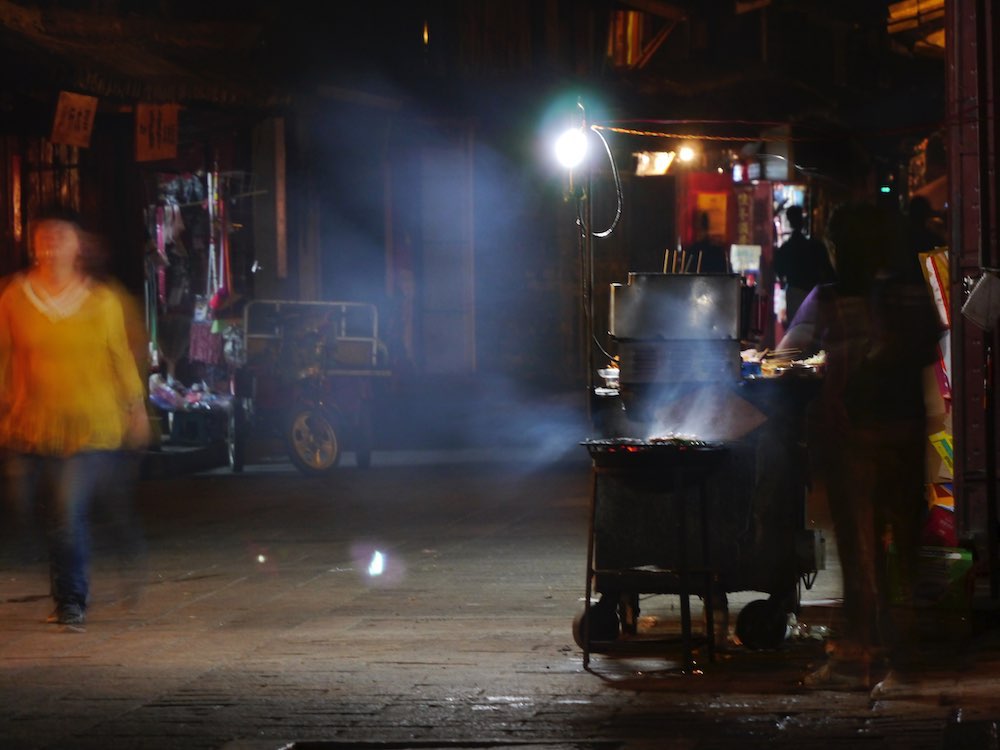
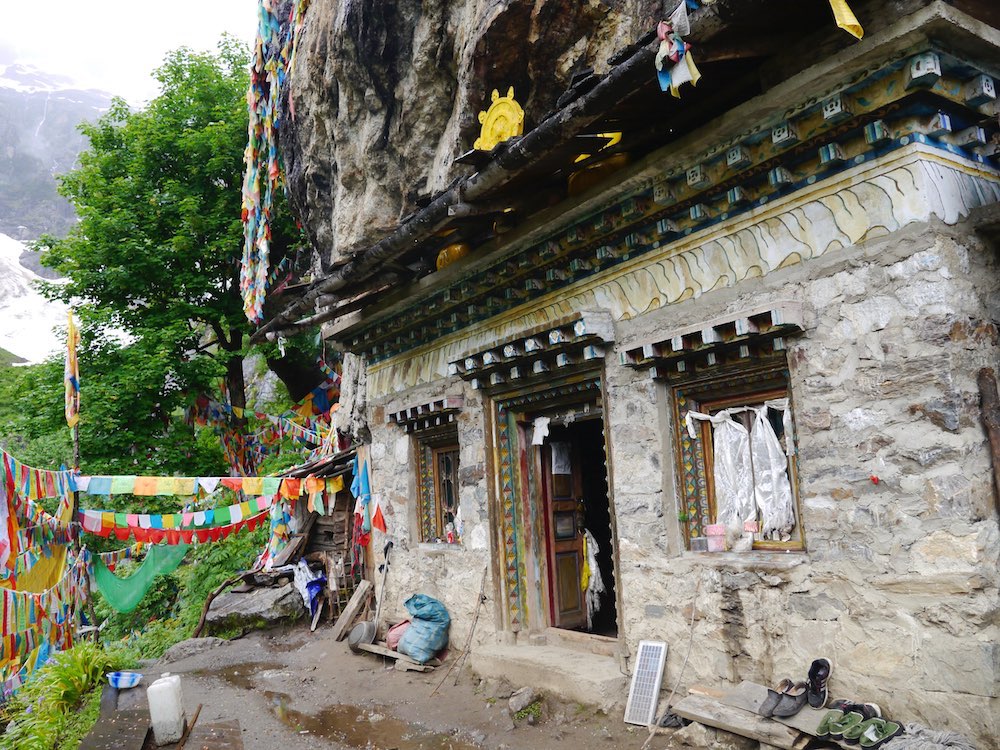
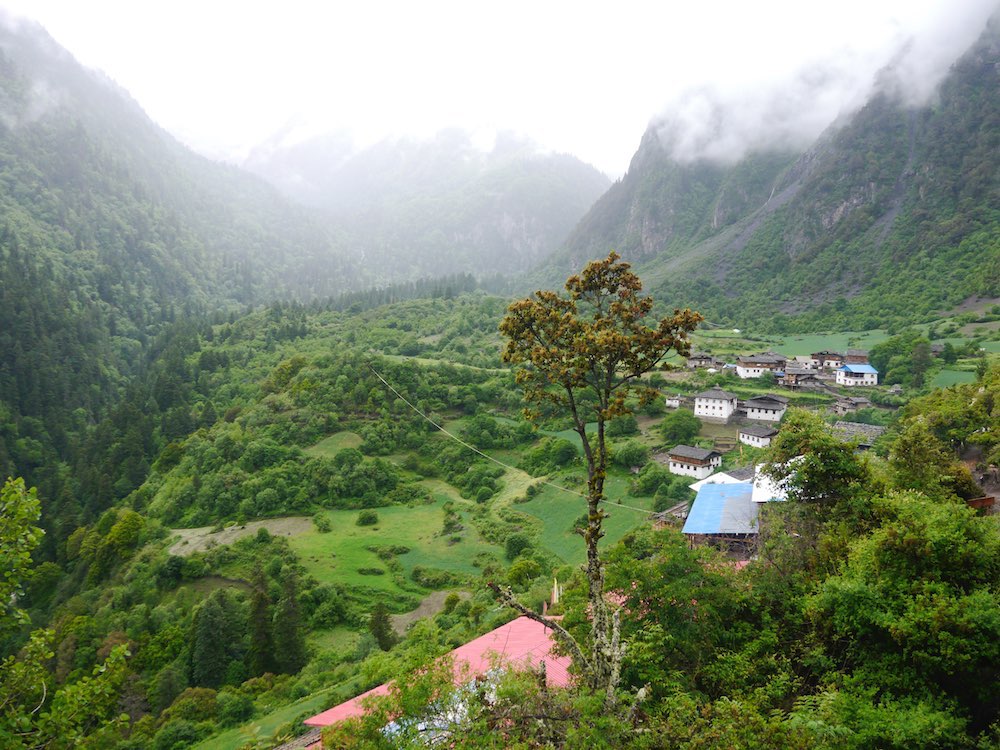
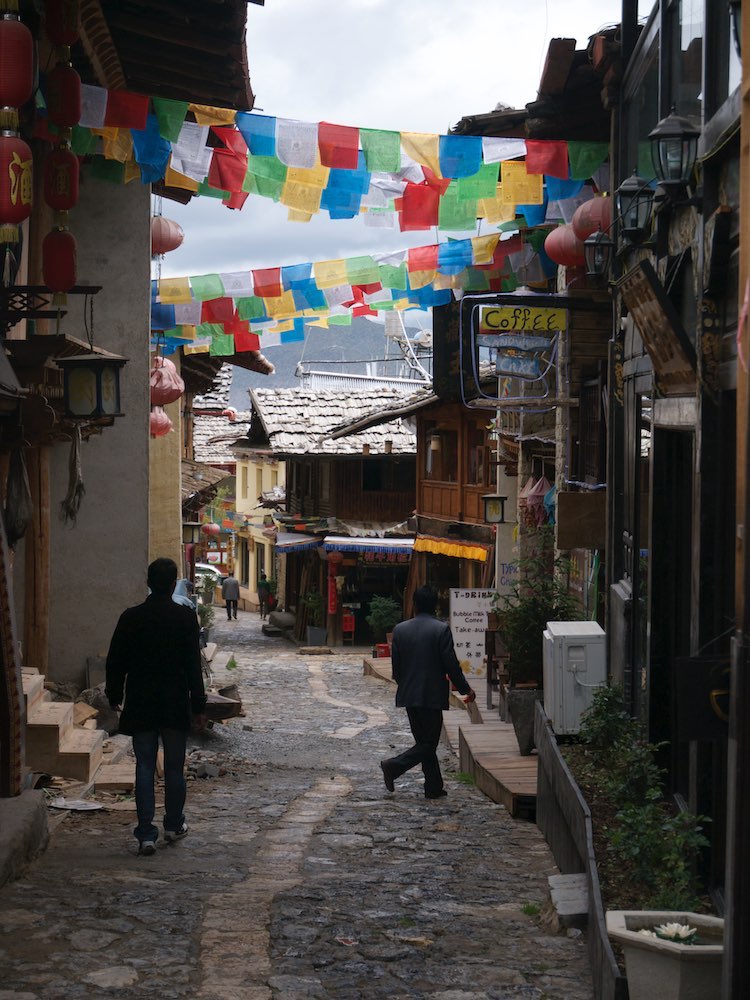
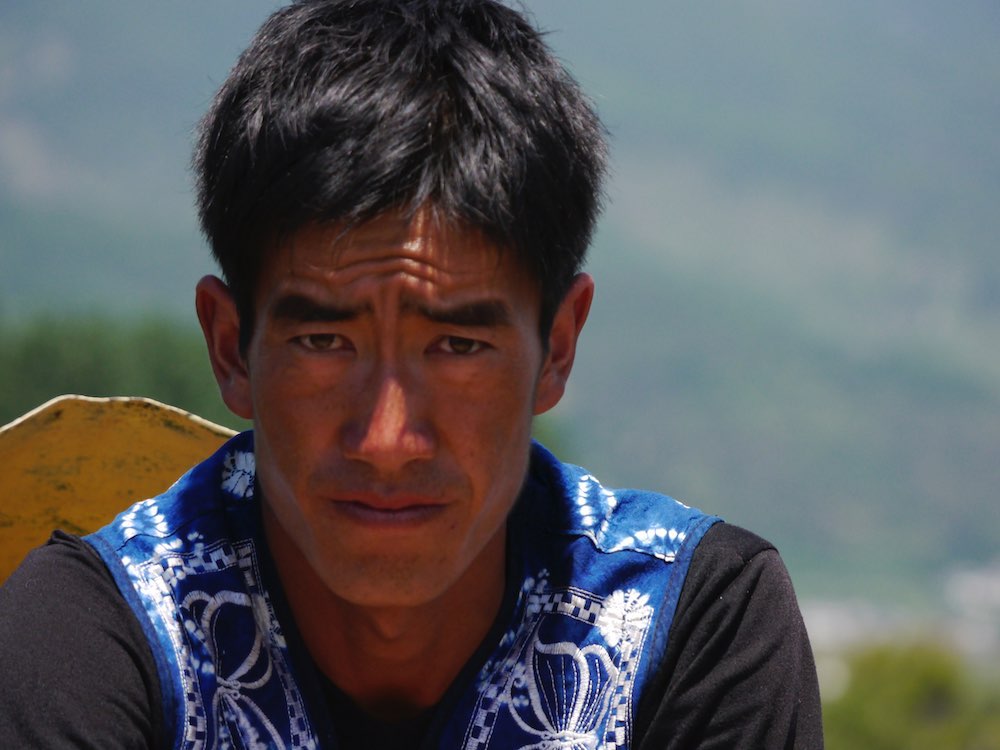
Southwest China, 2012













Contact